

Essential details
Lead time:5-7天
Shipping:Express delivery
Product Introduction
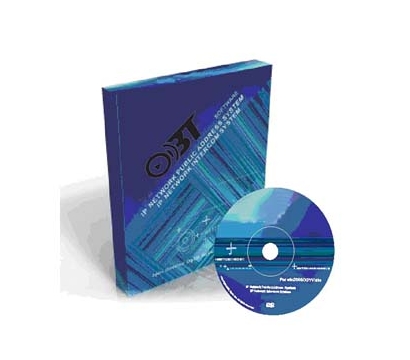
Paperless meeting system – Tablet Terminal Software for Windows / Android (Cross‑platform, C/S Architecture)
★ System and Architecture: Utilize Windows 7/Android systems to ensure compatibility and scalability of office software and other applications; The client software adopts a C/S architecture to fully leverage the processing capabilities and stability of the client PCs.
★ Supports both wired and wireless hybrid networking, and is capable of operating across network segments.
★ Supports cross-platform operation and is compatible with Android terminals, Windows terminals, and Linux terminals for mixed networking. It also implements the following software functions.
★ Supports both wired and wireless hybrid networking, and is capable of operating across network segments.
★ Supports cross-platform operation and is compatible with Android terminals, Windows terminals, and Linux terminals for mixed networking. It also implements the following software functions.
Software Functionality
☆1. Nameplate display function: Supports displaying the personal names, units, positions, and background image information imported by the background software.
☆2. Meeting slogan function: Displays the content and background image of the meeting slogans pushed from the background.
☆3. Meeting Information Function: Displays the meeting information pushed from the background (including meeting name, meeting time, meeting location, host name, names and positions of the participants).
☆4. Meeting Agenda Function: Displays the meeting agenda scheduling information pushed from the background.
☆5. Meeting Agenda Function: Display the pushed meeting agendas according to the meeting progress and permissions. The files within the agendas support various office documents such as word, ppt, and excel.
☆6. Document Annotation Function: Participants can make handwritten annotations, draw circles or lines on the touch screen of the conference terminal for the documents in the meeting files. This feature facilitates the explanation of key points during their speeches and the submission of their own opinions on the modifications made to the meeting files. It supports various forms of handwriting, such as using a wireless keyboard or a handwriting tablet. After annotation, the document can be customarily selected to save at specific paths, such as locally or on a server.
☆7. Basic Conference Functions: Support conference registration (background setting for optional no-sign-up), voting and decision-making (background setting for real-name or anonymous voting), interactive electronic whiteboard (for individual use and online use), document annotation (original document annotation and quick annotation), information exchange function (instant messaging, participants can have one-on-one or one-on-many conversations with other attendees), conference service calls (tea, pens, etc., participants can also customize input of demand information, and the background will arrange services according to the requirements), receiving notification messages pushed by the background software, etc. These are the conference functions.
★ 8. Screen Sharing Function: It supports any conference terminal with screen sharing permission to directly share the screen to other conference terminals and the large screen. It also supports dynamic playback of PPT files in the screen sharing state, ensuring the playback effects of the PPT. It supports display characteristics such as zooming in and out of documents on the screen, ensuring the touch function of the touch screen. It supports synchronizing audio and video files to other conference terminals and the large screen projection, synchronizing the sound to the mixing console, and supports 1080P video screen sharing without reducing the picture quality. The receiving end displays the 1080P original picture quality, with a frame rate of 20 frames, ensuring the smoothness of the video picture. The screen sharing delay is less than 300 milliseconds. The screen sharing signal supports silent sending and receiving.
☆9. Asynchronous browsing function: It supports any conference terminal with permission to switch the remote presenter's screen display and the local terminal screen display at once, enabling free interaction of signals. Participants can use this function to view operations, view their own documents, etc.
☆10. Tracking of Main Speaker Function: Conference terminals in the asynchronous browsing mode support the ability to instantly synchronize to any screen of the main speaker at that moment and maintain real-time consistency.
★11. External signal display function: Supports real-time synchronization of external signals onto all participant terminals and simultaneous display (external signals include video signals from matrix switching, computer signals, laptop signals, camera signals, DVD signals, multimedia sockets, etc.).
★12. Temporary File Function: It enables users to quickly broadcast any file from an external USB drive to other conference terminals and large screens. It also supports sharing meeting files with other participants.
★13. Function for PC computers / Android tablets: It supports switching between paperless software interface and Windows/Android interfaces, allowing for normal computer operations. The screen can also be broadcast simultaneously (for example, computer training, web browsing with the browser, OA software operation, and other operations can all be demonstrated on the same screen).
★14. Chairman Control Function: Supports single-chair or multiple-chair mode; The chairman function has the authority to control the meeting process, and can: "Enable unified sign-in; Switch the display of all terminal functions: meeting slogan, welcome page, nameplate display, main meeting interface; Enable meeting topics; Initiate and end voting; The chairman machine can select the same-screen broadcast signal source (external signal or participant terminal) for forced same-screen display to all terminals and large screen projection or only same-screen broadcast to the large screen projection; Can end the same-screen display; End the meeting; Close the meeting system, etc."
☆1. Nameplate display function: Supports displaying the personal names, units, positions, and background image information imported by the background software.
☆2. Meeting slogan function: Displays the content and background image of the meeting slogans pushed from the background.
☆3. Meeting Information Function: Displays the meeting information pushed from the background (including meeting name, meeting time, meeting location, host name, names and positions of the participants).
☆4. Meeting Agenda Function: Displays the meeting agenda scheduling information pushed from the background.
☆5. Meeting Agenda Function: Display the pushed meeting agendas according to the meeting progress and permissions. The files within the agendas support various office documents such as word, ppt, and excel.
☆6. Document Annotation Function: Participants can make handwritten annotations, draw circles or lines on the touch screen of the conference terminal for the documents in the meeting files. This feature facilitates the explanation of key points during their speeches and the submission of their own opinions on the modifications made to the meeting files. It supports various forms of handwriting, such as using a wireless keyboard or a handwriting tablet. After annotation, the document can be customarily selected to save at specific paths, such as locally or on a server.
☆7. Basic Conference Functions: Support conference registration (background setting for optional no-sign-up), voting and decision-making (background setting for real-name or anonymous voting), interactive electronic whiteboard (for individual use and online use), document annotation (original document annotation and quick annotation), information exchange function (instant messaging, participants can have one-on-one or one-on-many conversations with other attendees), conference service calls (tea, pens, etc., participants can also customize input of demand information, and the background will arrange services according to the requirements), receiving notification messages pushed by the background software, etc. These are the conference functions.
★ 8. Screen Sharing Function: It supports any conference terminal with screen sharing permission to directly share the screen to other conference terminals and the large screen. It also supports dynamic playback of PPT files in the screen sharing state, ensuring the playback effects of the PPT. It supports display characteristics such as zooming in and out of documents on the screen, ensuring the touch function of the touch screen. It supports synchronizing audio and video files to other conference terminals and the large screen projection, synchronizing the sound to the mixing console, and supports 1080P video screen sharing without reducing the picture quality. The receiving end displays the 1080P original picture quality, with a frame rate of 20 frames, ensuring the smoothness of the video picture. The screen sharing delay is less than 300 milliseconds. The screen sharing signal supports silent sending and receiving.
☆9. Asynchronous browsing function: It supports any conference terminal with permission to switch the remote presenter's screen display and the local terminal screen display at once, enabling free interaction of signals. Participants can use this function to view operations, view their own documents, etc.
☆10. Tracking of Main Speaker Function: Conference terminals in the asynchronous browsing mode support the ability to instantly synchronize to any screen of the main speaker at that moment and maintain real-time consistency.
★11. External signal display function: Supports real-time synchronization of external signals onto all participant terminals and simultaneous display (external signals include video signals from matrix switching, computer signals, laptop signals, camera signals, DVD signals, multimedia sockets, etc.).
★12. Temporary File Function: It enables users to quickly broadcast any file from an external USB drive to other conference terminals and large screens. It also supports sharing meeting files with other participants.
★13. Function for PC computers / Android tablets: It supports switching between paperless software interface and Windows/Android interfaces, allowing for normal computer operations. The screen can also be broadcast simultaneously (for example, computer training, web browsing with the browser, OA software operation, and other operations can all be demonstrated on the same screen).
★14. Chairman Control Function: Supports single-chair or multiple-chair mode; The chairman function has the authority to control the meeting process, and can: "Enable unified sign-in; Switch the display of all terminal functions: meeting slogan, welcome page, nameplate display, main meeting interface; Enable meeting topics; Initiate and end voting; The chairman machine can select the same-screen broadcast signal source (external signal or participant terminal) for forced same-screen display to all terminals and large screen projection or only same-screen broadcast to the large screen projection; Can end the same-screen display; End the meeting; Close the meeting system, etc."
This paperless meeting system tablet software delivers full digital conference control, annotation, screen sharing, and voting across Windows/Android devices, seamlessly integrating with lift terminals and mobile tablets.
In summary, this paperless meeting system software is the ideal choice for modern digital boardrooms, government halls, and high‑end conference centers requiring a flexible, cross‑platform solution for efficient, paper‑free collaboration.


